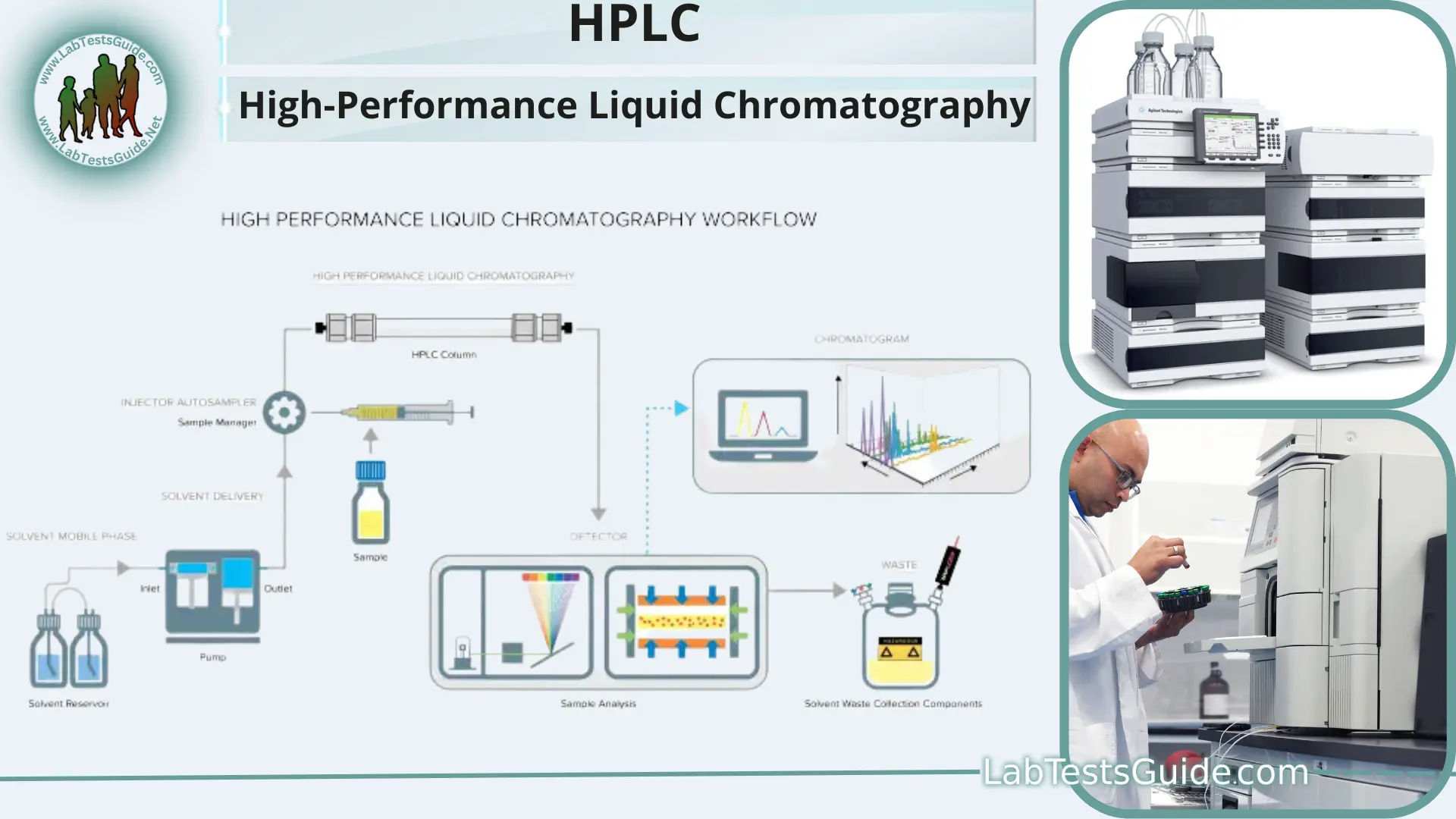
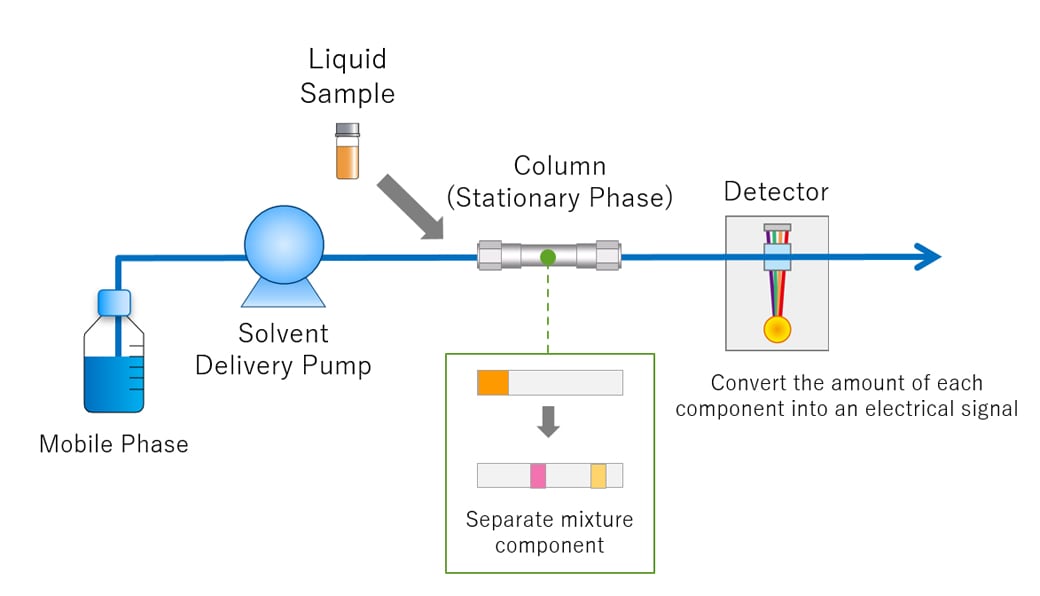
Rp-hplc Peptide Purity Analysis Third-party testing eliminates this bias by introducing an outside entity without any monetary stake in positive outcomes. Scientists can visit Optima Labs and enter the COA code to verify set credibility and pureness in seconds. This traceable confirmation process offers complete presence from synthesis to shipment. We will certainly select one of the most appropriate elution solvent for you according to your sample features, sample type and the solvent you utilize to liquify the sample. Initially, a tiny quantity of the peptide is dissolved in a fluid and infused into the HPLC maker. That liquid is then pushed with a slim tube (called a column) under high pressure. Also low degrees of impurities can change a peptide's biological task, interfere with architectural evaluations, or interfere with approach recognition. HPLC methods for peptide analysis usage reverse-phase columns with gradients of water and acetonitrile, typically with trifluoroacetic acid as a modifier. Visit this website The UV detector keeps track of the peptide at particular wavelengths, generally 214 nm or 220 nm, where peptide bonds soak up highly. Method recognition makes certain that HPLC results properly mirror peptide purity. However meeting those standards can be hard for many small businesses wanting to establish peptide medications.
- All items detailed are purely for in-vitro laboratory research and development use only.Since a hydrophobic fixed stage is used, it can be utilized in combination with hydrophobic, hydrophilic, ionic and ionic compounds to separate their various parts, enabling evaluation to be versatile.For study peptides, molecular weight confirmation validates the designated series, identifies adjustments such as oxidation or deamidation, and confirms the absence of impurities that might co-elute during HPLC evaluation.HPLC method recognition ends up being needed when Tox research studies are prepared for preparing IND application filing.
Exactly How To Examine Peptides For Pureness: Hplc, Mass Specification, And Third-party Screening Explained
For study peptides, molecular weight confirmation validates the designated sequence, identifies adjustments such as oxidation or deamidation, and confirms the lack of impurities that may co-elute during HPLC evaluation. Modern instruments can perform tandem MS, breaking up the peptide to validate the actual amino acid sequence. Peptides are complicated organic substances, and the accuracy of your research depends on the accuracy of the product you utilize. Sadly, the online market for peptides is swamped with unverified sources and irregular purity degrees. That's why Peptides Laboratory UK executes a two-layer verification system, incorporating independent laboratory testing with third-party validation via Optima Labs-- to ensure clinical stability. This material is not planned as an alternative for specialist clinical guidance, medical diagnosis, or treatment. Companion with us for trusted HPLC and MS services that guarantee peptide reliability from synthesis to application. Peptide research study is just as solid as the tools behind it-- and that begins with screening. HPLC and Mass Spectrometry give the gold-standard guarantee that what's in the vial is pure, exact, and specifically what the label says. Validates molecular identification by matching the observed mass to the theoretical mass.Peptide Study Reference: Reconstitution, Pureness, Receptor, And Storage Terminology
Just how much time does an HPLC test take?
Time Required for HPLC EDTA Test Reports + Next Steps